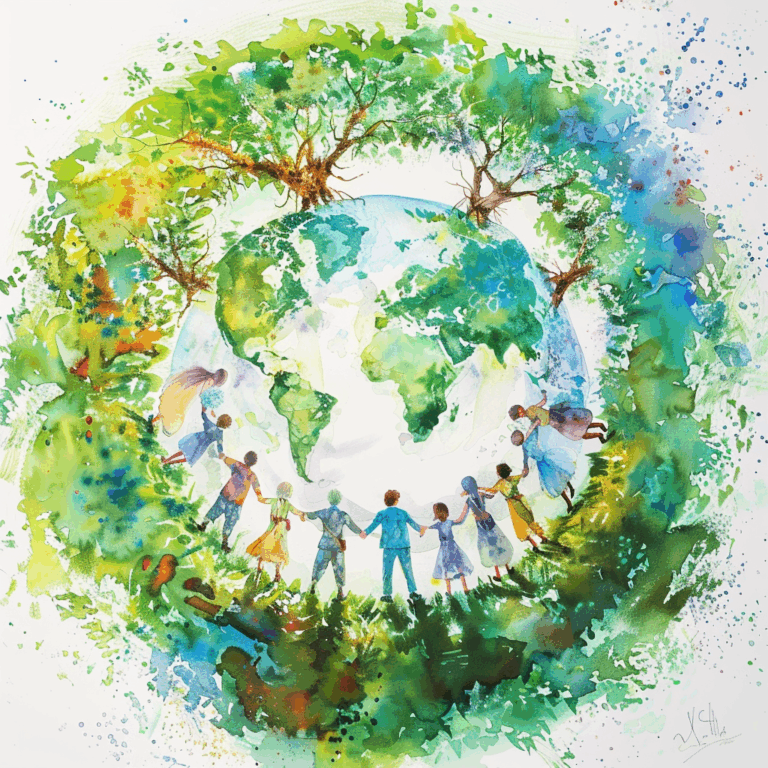
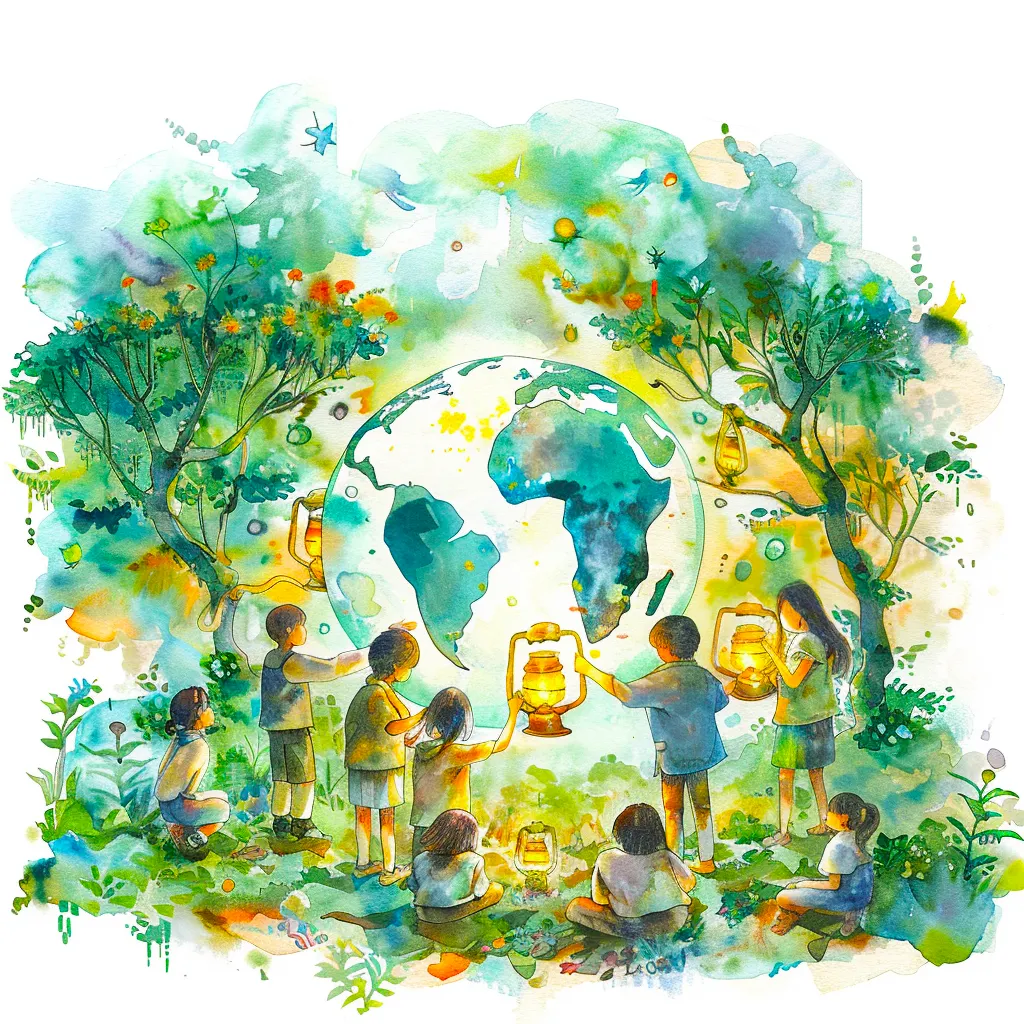
What is a Peace Zone? A Peace Zone is a microcosm of a more peaceful world, demonstrating the tangible benefits of cooperation and proactive peacebuilding.
Why a Peace Zone? Our world currently faces escalating polarity, a crisis of faith about our future, and the deconstruction of institutions. These challenges represent a change point and an opportunity for systems to break through and evolve to a higher level through second order change. Peace Zones are designed as a carefully crafted second order change strategy to seize this opportunity.
Drawing lessons from Earth’s first extinction threat 800 million years ago, when single-cell organisms banded together to become multicellular organisms, we learn the necessity for individuals and organizations today to band together into more complex organisms to address our challenges.
The knowledge of accelerating evolution through cooperation is encoded in our DNA. A Peace Zone enables us to cooperate for the common good.
Our Peace Zone aims to achieve six synergistic goals!
Goal 1: Increase the community’s capacity for cooperation, social impact, and collective agency.
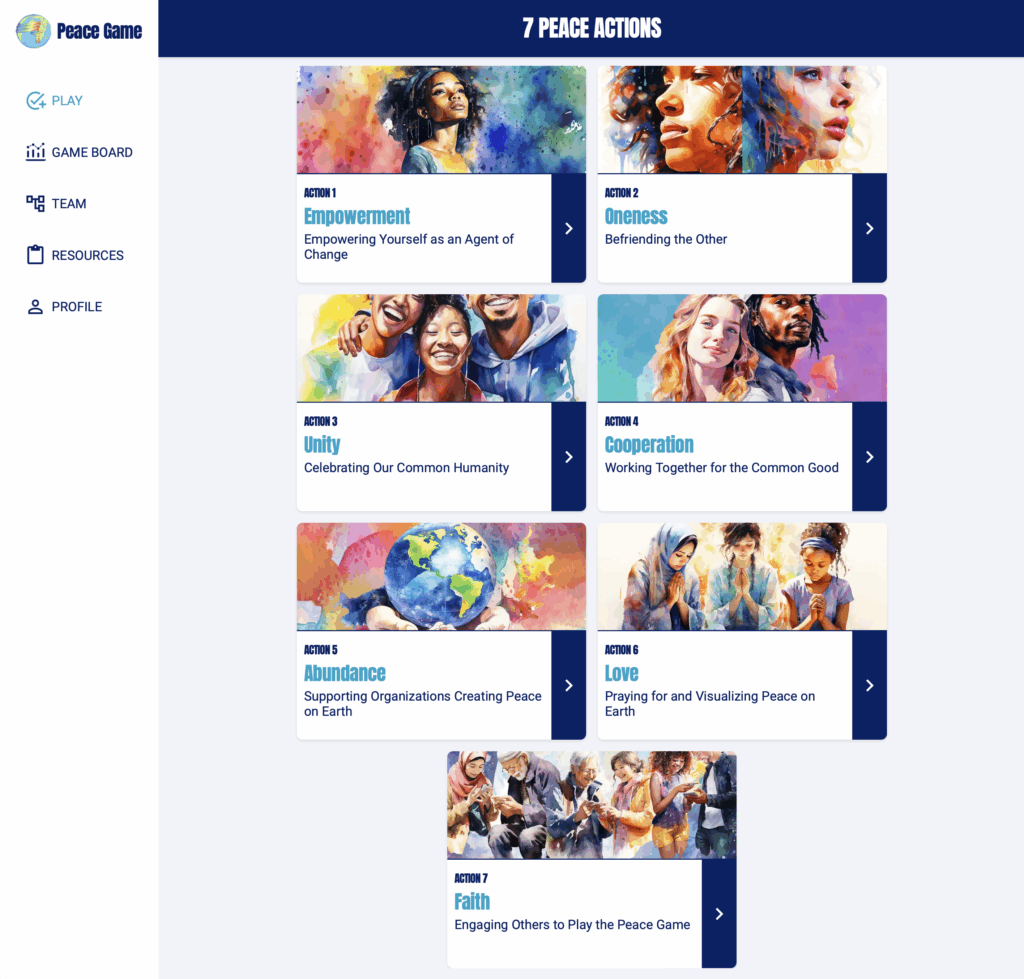
Goal 2: Establish the seven Peace Game practices (empowerment, oneness, unity, cooperation, abundance, love, and faith) as community norms.
Goal 3: Integrate the seven peace practices into the community’s public, private, and civic sector organizations to strengthen their ability to cooperate for the common good.
Goal 4: Utilize the Peace Game platform to help facilitate the transformation of the community’s social and environmental challenges.
Goal 5: Activate the community’s social creativity to envision and create an enlightened city.
Goal 6: Engage 1/2 of 1% of the community in playing the Peace Game, the tipping point for new behaviors to be spontaneously adopted, creating a morphogenetic field or 100th Monkey Effect.
World Building Workshop
The World Building Workshop is core to a Peace Zone. This workshop activates the community’s social creativity to envision and create a more enlightened city. They are organized to build cooperation, social impact, and community agency capacity.
Unlike creating imaginary worlds, Peace Zone world building focuses on envisioning what the actual community could look like. This process provides the tools to bring a new vision into reality. The transformative power in this real-world building process comes from applying the Peace Game actions and the second order change methodology.
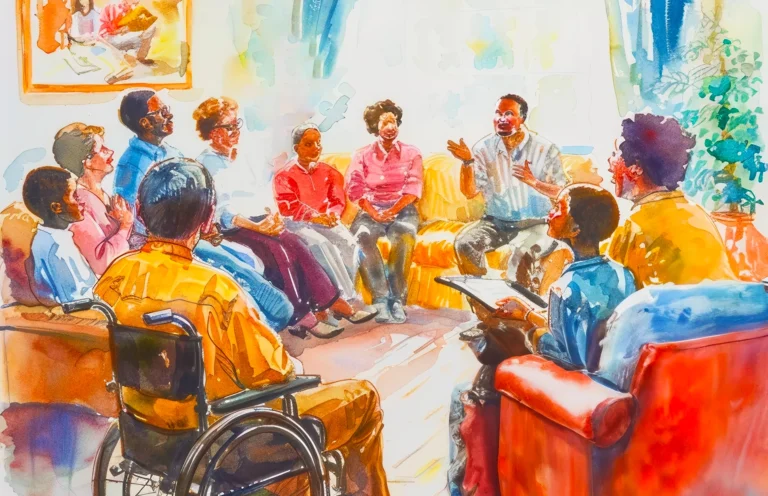
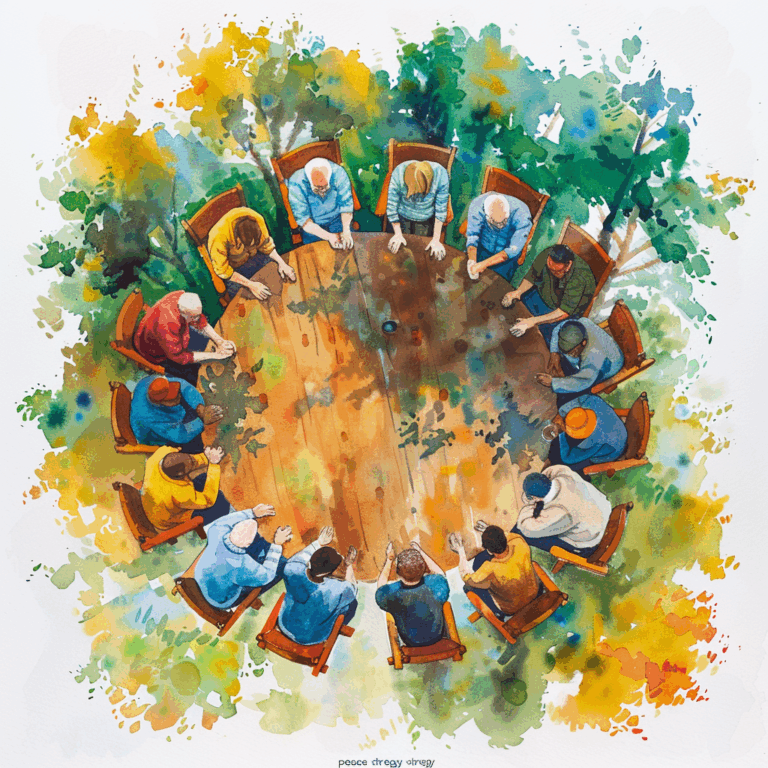
The process starts with individuals who have already played the Peace Game attending a daylong workshop. Participants envision their unique contributions, form into “cooperation pods” to synergize visions, and share with the larger group. The group then discerns goals and cooperation pod properties, potentially combining them into new bonded entities focused on creating community social good.
These new social good entities are nurtured in their development by a second order change support system including an AI Coach.
Peace Zone Simulation Game
The Peace Zone Simulation Game provides a learning environment to envision and test ideas and then apply what is learned to the real community. The strategies, insights, and effective approaches discovered through playing the simulation game directly inform the real-world plan for building and growing the Peace Zone.
As new challenges arise or new opportunities emerge the team can model potential solutions, test the feasibility of new initiatives, or refine strategies before implementing them in the real community. This leverages the simulation game as a low-risk social laboratory.
These community building opportunities will be held periodically. Please check our home page for upcoming events.
The Harmony Index is a key feature of the Boulder Peace Zone. It measures the personal and community well-being generated by applying the Peace Game’s seven transformative practices. It evaluates 6 factors to provide feedback on progress and inform strategic decisions.
1: Individual Peace Game Participation: Higher participation reflects the transformative power of the practices.
2: Organizational Participation: Higher participation from non-profits, businesses, and government agencies reflects their positive social impact from deploying the practices.
3: Peace Zone Organizational and Sectoral Cooperation: Cooperation amongst and between different sectors reflects the positive social good accrued.
4: Social Impact: Increased second order change initiatives reflect enhanced social impact benefits.
5: Peace Game Platform Usage: The number of social and environmental change initiatives using the Peace Game platform reflecting the capability of the practices to effect community transformative change.
6: Peace Day Event: Holding a Peace Day event positively impacts the index, reflecting the transformative impact of collective peace actions.
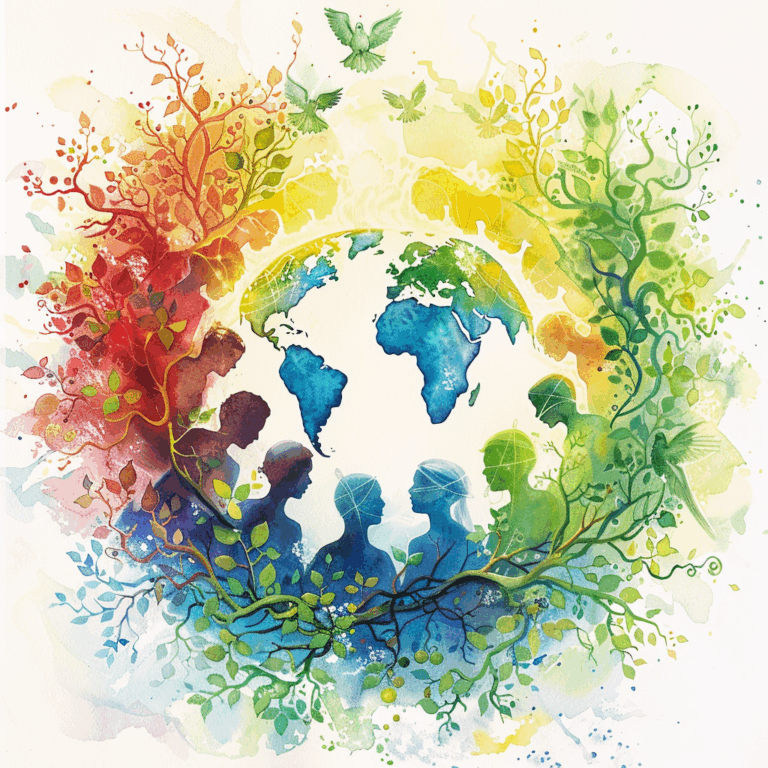
Local success in a Peace Zone contributes to a global Harmony Index.
Jim James Adams, Peace & Conflict Public Education Project
David Adamson, Goose Creek Community Land Trust
Cynda Collins Arsenault, Boulder Rotary Club
Bethany Bordelon, Riverside Boulder
Miranda Clendening, Empowerment Institute (Peace Game)
Deyani Deydreaming, Riverside Boulder
Cameron Ely-Murdock, ONELocal App Community
Michael English, Boulder Rotary Club
Janis Kelly, Boulder Rotary Club
Danny Lindau, Boulder Rotary Club
Richard Moser, Riverside Boulder
Omashar, Omashar Peace Music
Galen Periera, Kombatan Martial Arts
Kathleen Marie Rose, ONELocal App Community
Pedro Silva, YOUnity Interfaith, University of Colorado